Preventing Waterlogging With Soakaways
In this article we go over how to prevent lawns from waterlogging with soakaways!
Preventing Waterlogging with Soakaways: A Complete Guide
Waterlogging can be a major headache for homeowners, turning gardens into soggy messes and even threatening the structural integrity of your home. Soakaways offer a cost-effective and long-term solution to manage excess surface water and prevent these problems. This guide will explain how soakaways work, their benefits and drawbacks, and what's involved in their installation.
What are Soakaways and How Do They Work?
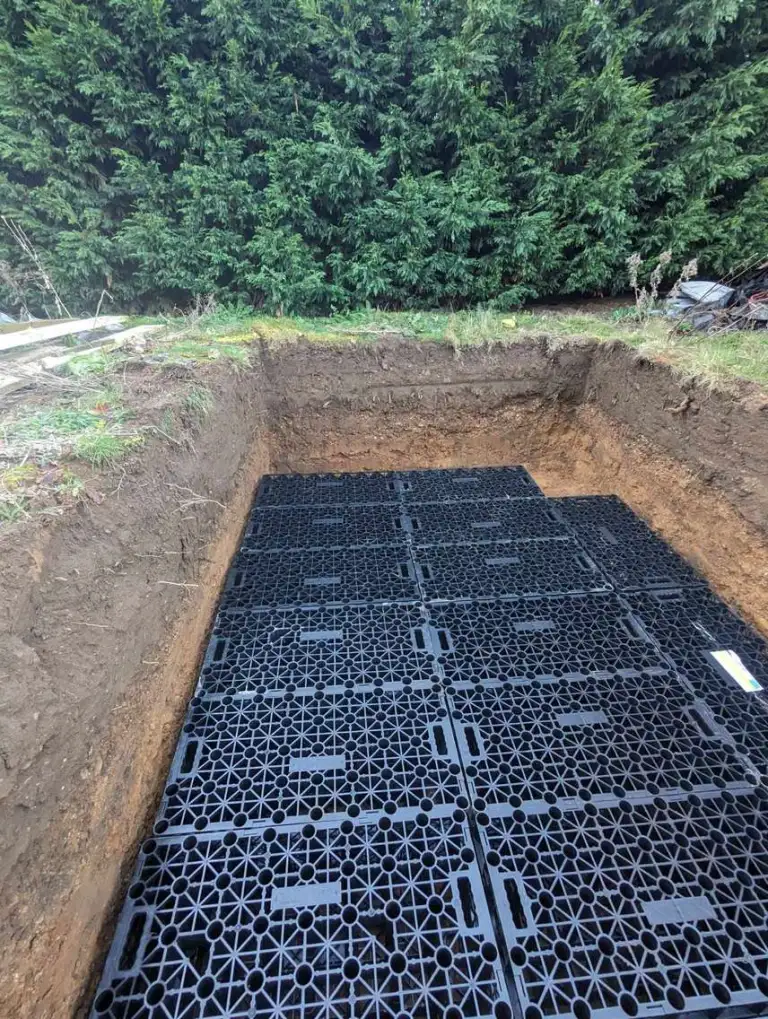
Soakaways are underground drainage systems designed to collect and disperse rainwater back into the ground. They typically consist of crates or, in older systems, rubble, placed within an excavated pit. These crates contain large voids that temporarily store rainwater runoff from roofs, patios, and other hard surfaces. The stored water then gradually infiltrates the surrounding soil, preventing surface water pooling and reducing the risk of flooding.
Benefits of Soakaways
- Effective Water Management: Soakaways efficiently manage excess surface water, preventing waterlogging and keeping your garden dry.
- Flood Prevention: By reducing runoff, soakaways minimize the risk of flooding, protecting your home and property from water damage.
- Cost-Effective: Soakaways are a relatively inexpensive drainage solution compared to more complex systems.
- Environmentally Friendly: They allow rainwater to replenish groundwater supplies naturally.
- Minimal Disruption: Installation typically causes minimal disruption to your existing landscape.
- Long-Term Solution: Modern soakaways, built with plastic crates and protective membranes, are designed to last a lifetime with minimal maintenance.
Drawbacks of Soakaways
- Soil Suitability: Soakaways are not effective in clay soils or other poorly draining soil types.
- Installation Requirements: Proper installation is crucial. An incorrectly installed soakaway can cause more problems than it solves, including potential damage to foundations if placed too close to a building.
- Temporary Disruption: The garden lawn will be temporarily disturbed during the installation process, but the grass will typically recover within a few months.
Soakaway Installation: What to Expect
Installing a soakaway involves several key steps:
- Site Assessment: Determining the appropriate location for the soakaway, ensuring it's at least 5 meters away from buildings, roads, and boundaries.
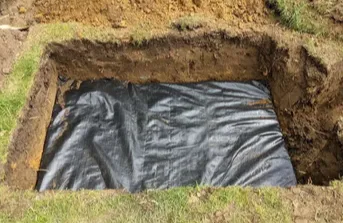
- Excavation: Digging the pit to the required dimensions.
- Crate Placement: Placing the soakaway crates (or rubble in older systems) inside the pit.
- Membrane Installation: Wrapping the crates with a permeable membrane to prevent soil from clogging the system.
- Connection: Connecting drainage pipes from guttering, patios, or other sources to the soakaway.
- Backfilling: Filling the pit with soil and restoring the landscape.
Replacing Old Soakaways
Older rubble-filled soakaways without membranes often become clogged and ineffective over time. Upgrading to a modern soakaway system with plastic crates and a membrane is a worthwhile investment. Often, the old soakaway can be left in place unless it interferes with building regulations.
Call to Action
Are you struggling with waterlogging in your garden? Currell Groundworks can assess your property and install a soakaway system tailored to your needs. Contact us today for a free consultation and let us help you create a dry, healthy, and beautiful outdoor space.